


Lead Acid Replacement Lithium Battery
Lithium batteries, specifically known as lithium-ion or li-ion batteries, are a widely employed type of rechargeable battery that uses lithium to drive core electrochemical reactions. These batteries are distinct from traditional batteries that can't be safely recharged.Lithium-ion batteries are designed to handle repeated charge/discharge cycles and boast an impressive energy density, lightweight design, and a relatively low self-discharge rate compared to many other battery alternatives. The lead acid replacement lithium batteries are lithium ion batteries using lead acid battery enclosure/case, normally ABS, which are used to drop-in replace the traditional lead acid batteries used in various applications such as solar energy storage system (ESS), UPS, telecom, RV, motorhome, marine, trolling motor, golf trolley, golf cart, floor scrubber, forklift and many more.
Advantages of Lead acid replacement Lithium Battery
High energy density
Lithium batteries boast an impressive energy density, meaning they can store a large amount of energy in a compact and lightweight form. This characteristic makes them ideal for portable electronic devices where space and weight are critical considerations.
Long cycle life
Lithium batteries typically have a longer cycle life compared to other rechargeable batteries. They can undergo hundreds of charge-discharge cycles without significant loss of capacity, contributing to their durability and longevity.
Quick charging
Lithium batteries support fast charging, allowing users to replenish their devices' power quickly. This is especially crucial in today's fast-paced world where individuals rely heavily on electronic gadgets and need a rapid turnaround for their battery charging needs.
Low self-discharge rate
Lithium batteries exhibit a low self-discharge rate, meaning they lose less energy when not in use. This makes them suitable for applications where the device may be idle for extended periods without the need for frequent recharging.


Why Choose Us
Genuin Material & Solid Substance
Only use world top tier A grade lithium cells and automotive grade BMS.
Strict Quality control
All the cells are graded & grouped before assembly, and all battery packs are 100% passed aging test.
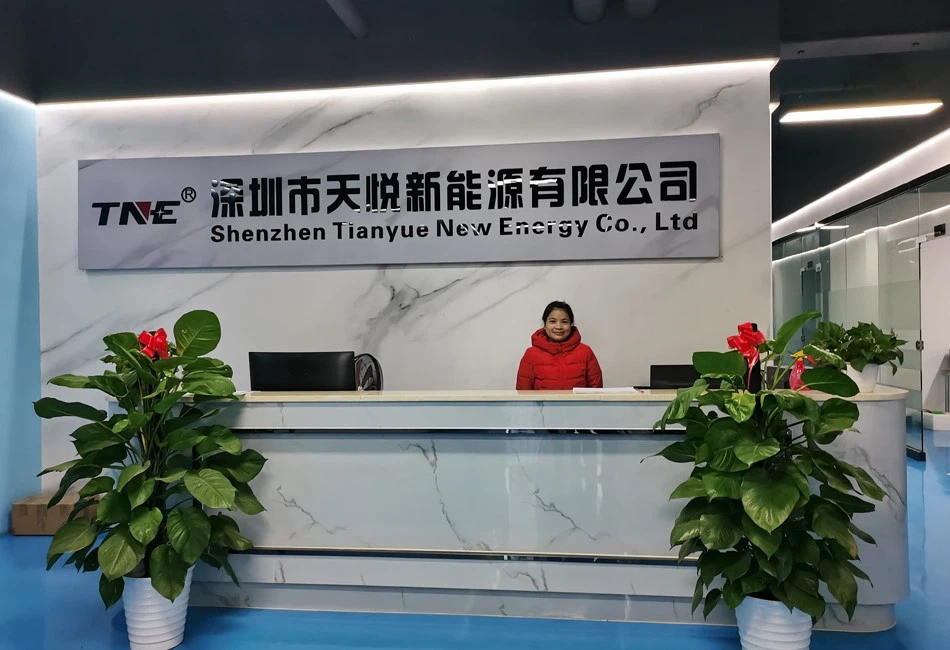
20+ Years of Deep Technology Accumulation
Our major team members have more than 20 years of experience in lithium battery industry.
Worry-Free After Sale Services
We provide worry-free after sales service and technical support for you to focus on marketing.
Types of Lithium Battery
Lithium titanate
Unlike other chemistries, these batteries substitute the graphite in the anode with lithium titanate and utilize nmc or lmo as the cathode chemistry. This creates a battery that has a faster charging process and a longer life.
Lithium nickel cobalt aluminum oxide
These batteries have a long life cycle and deliver high specific energy with an appropriate specific power. Typically, they can maintain the delivery of large amounts of current for longer times.
Lithium nickel manganese cobalt oxide
This type of battery pack has three elements as its cathode materials (cobalt, manganese, and nickel). Manganese has a low specific energy, but it is extremely stable, while nickel has high specific energy but is not stable. So, the combination of these two creates stable chemistry with a high specific energy.
Lithium manganese oxide (lmo)
This battery has lithium manganese oxide as its cathode material. With this chemistry, it is able to create a 3-d structure that increases current handling, lowers internal resistance, and bolsters ion flow, all while increasing thermal stability and safety.
Lithium cobalt oxide
The lithium cobalt oxide battery has low specific power and high specific energy. This implies that they can operate and deliver power for long periods but are limited when it comes to high-load applications.
Lithium iron phosphate
The lithium iron phosphate (lifepo4) battery utilizes a graphitic carbon electrode as the anode and phosphate as the cathode material. These batteries have longer-lasting life, good electrochemical performance, and thermal stability.
8 Factors To Consider When Choosing The Best Lithium Battery
- Capacity
The capacity of a lithium battery refers to the amount of energy it can store, which is measured in ampere-hours (Ah). If you choose a lithium battery with insufficient capacity, it may not last long enough to power your device effectively. On the other hand, choosing a battery with too much capacity can be wasteful and unnecessary.
Therefore, choosing a battery with an appropriate capacity for your device's usage requirements is vital to ensure a reliable and efficient power supply.
- Voltage
It's crucial to check that your chosen battery has the right voltage for your device. Choosing a battery with the wrong voltage can damage the device or prevent it from working correctly. Therefore, ensuring the battery's voltage is compatible with the device is essential to avoid any potential issues.
- Size and Weight
The battery's size and weight can affect the portability and convenience of your device. Opting for a battery that is compact and easy to carry can make a significant difference in your device's usability, and a light battery that fits well in your device is a plus!
- Max Charge and Discharge Current
The time it takes to charge a lithium battery can be affected by its maximum charge and discharge current. Choosing the best lithium battery with the appropriate max charge and discharge current is important to ensure it can work efficiently with your device's load.
Failure to choose a battery with the correct charge and discharge current could result in slower charging times or even damage your device. So, it's crucial to consider this factor when selecting a lithium battery for your device.
- Cells Cycle Time
The cycle time of a battery's cells is an essential consideration for long-term usage and warranty period. A battery with a longer cycle time will last longer and require fewer replacements, ensuring that your device remains powered for an extended period. Therefore, choosing the best lithium battery with a high-quality cell cycle time is important to get the most out of your device.
- Safety
Safety is a top priority when selecting a lithium battery. TNE prioritises safety and takes measures to ensure its batteries are 100% safe to use. Each TNE lithium battery undergoes rigorous testing and complies with the most stringent safety standards to minimize the risk of accidents or damage. By choosing a TNE best lithium battery, you can be assured you are selecting a safe and dependable power solution for your device.
Smart BMS
A Smart Battery Management System (BMS) is a feature that enables the communication between the battery and the cells, allowing to detect the charge/discharge voltage of each cells, battery pack temperature, charge/discahrge current etc. Normally the BMS is considered as the " brain" of the lithium battery, and it provides critical protections to avoid the battery from over charging, over discharging, short circuit, danger of over temperature, damge from charging below 0 Celsius degree. Also the BMS can be customized according to requirements of different applications.
Environmental Impact
Compare with lead acid batteries which contains large amount of Pb, Cd etc which are harmful to human and environment.

Lead acid replacement lithium batteries are widely used in numerous electric & electronic devices, such as drone, solar tracking system, medical devices, security & alarm systems where lead acid batteries are used as power souce. It is a preferred power source because they provide long-lasting power in a compact form, allowing these devices to be used for extended periods without requiring another energy source.
They can also be used in BESS (Battery Energy Storage System) in household and vehicles, including home solar system with inverter, caravan/motorhome, marine/yatch/RV and many more. Due to its superior adavantages in energy density and light weighted, the lithium batteries in replacing lead acid batteries in those areas are very fast and widely accepted by the market.
Even in automotive and powersports market, the lithium starter batteries are becoming popular to replace the clumzy lead acid starter batteries.
Each lithium cell has some electrochemical components to deliver and store electrical energy. These are anode (-), cathode (+), electrolyte, and separator. All of these battery components are assembled in a battery casing for proper working.
Cathode (+)
It is a positive electrode usually made of lithium-containing metal oxide. Cathode material can vary from one battery type to another, such as lithium cobalt oxide (LiCoO2), lithium iron phosphate (LiFePO4), or nickel-manganese-cobalt oxide (NMC). These battery components facilitate and release the lithium ions during the charge and discharge cycle.
Anode (-)
The anode is a negative terminal of the battery. Most of the time, it is made from graphite or silicon-based material. During the discharging process, lithium ions migrate from the cathode to the anode and assemble in the crystalline structure.
Electrolyte
There are electrolytes inside the lithium battery. It is a lithium salt dissolved in an organic solvent. The purpose of electrolytes is to help lithium ions to move easily between the cathode and anode. These reduce resistance and make sure the battery works for a long time.
Separator
The separator is a microporous plastic film between the anode and cathode. It physically locates positive and negative battery components to prevent any short circuit.
Portable power packs
It has already been proven that lithium batteries do a great job to power our laptops, computers, and phones. They are also smaller and lighter than lead-acid batteries. Transitioning the existing technology to a more effective portable power pack can be done without stress, thanks to custom lithium battery options.
Surveillance or alarm systems in remote locations
The omission of hard-wired electricity limits the security of most people. However, you can securely monitor any location you want with an alarm or surveillance system that runs on lithium-ion batteries.
Solar power storage
Because of their quick charge process and their manner of charging, lithium batteries are the perfect choice for solar panels as they allow you to get the most of the potential power storage from the sunlight daily.
Lightweight marine performance
The mixture of electricity and water could pose certain problems. It doesn’t matter if you need to power your whole yacht or power a small trolling motor; you can rely on lithium batteries to get the job done.
Dependable electric and recreational vehicle power
You can depend on lithium batteries to power your electric or recreational vehicle as their reduced size and weight make for increased efficiency. So, if you are thinking of exploring remote locations and you want to be safe and comfortable while you do so, you should opt for li-ion batteries to power your vehicle.
Ups or emergency power backup
Since lithium batteries are known to store energy efficiently, they are the ideal choice for a ups or emergency power backup to protect you from power instability or power loss.
A typical lithium-ion battery pack looks the same as a regular battery pack, but their difference lies in battery safety and battery performance. Lithium-ion batteries have a higher energy density than regular batteries, which means they are capable of holding greater energy in the same battery size.
The better performance can sometimes lead to safety concerns like releasing the stored energy in an explosive manner. In addition to that, rechargeable li-ion batteries have a low self-discharge rate, much less than other kinds of rechargeable batteries, which contributes to its better battery life.
You cannot recharge regular batteries like the li-ion battery. Also, the lithium-ion battery has a high working voltage, so it is suitable for portable electronic devices like mp3, digital cameras, mobile phones, and many more.

Charging and discharging
Avoid overcharging and over-discharging
● Charging limit: Do not keep the lithium battery in a 100% charged state for a long time. It is recommended to charge it to 80-90%.
● Discharging limit: Try to avoid discharging the lithium battery to 0%. It is recommended to keep it at 20-30%.
Use a suitable charger
● Manufacturer recommendation: Use the charger provided or recommended by the manufacturer to ensure that the voltage and current meet the requirements.
● Slow charging priority: Try to choose the slow charging mode, which can extend the battery life.
Charging environment
● Temperature control: Charge at room temperature and avoid charging at extremely high or low temperatures.
● Good ventilation: During the charging process, ensure that the charging environment is well ventilated to avoid overheating.
Storage method
Storage power
● Medium power: When not in use for a long time, keep the battery power at 40-60%, and avoid storing it in a fully charged or fully discharged state.
Environmental conditions
● Moderate temperature: The storage environment temperature should be kept between 0-25℃, avoiding extreme temperatures.
● Dry environment: Store in a dry place, avoid humid environment, and prevent the internal chemical reaction of the battery from being affected.
Regular inspection
● Regular charge and discharge: Perform a charge and discharge cycle every 3-6 months to maintain battery activity.
Precautions for use
Prevent physical damage
● Avoid collision: Avoid collision or squeezing of the battery during use and storage.
● Prevent puncture: Avoid puncture of the battery by sharp objects to prevent internal short circuit and danger.
Temperature management
● Avoid overheating: Try to avoid overheating of the battery during use, especially when working under high load.
● Prevent overcooling: Battery performance will decrease in low temperature environment, and it should be avoided as much as possible in extremely cold environment.
Device maintenance
● Regular inspection: Regularly check the connection between the device and the battery to ensure that there is no looseness or corrosion.
● Update firmware: Keep the device firmware updated to ensure that the battery management system (BMS) can work properly.
Safety protection
Fire prevention measures
● Safe storage: When storing lithium batteries, keep away from flammable items and use fireproof boxes or fireproof bags for storage.
● Emergency treatment: Prepare a fire extinguisher or sand to deal with fires that may be caused by batteries.
Disposal
● Environmental recycling: Discarded lithium batteries should be sent to professional recycling agencies for treatment to avoid random disposal and pollution to the environment.
FAQ
We're well-known as one of the leading 12v general purpose lithium battery manufacturers and suppliers in China. Please feel free to buy high quality 12v general purpose lithium battery made in China here from our factory. For price consultation, contact us.
lithium 12v 100ah deep cycle marine trolling motor battery, lithium iron phosphate battery 12v, deep cycle lifepo4 battery