

Hey there! As a supplier of lithium solar batteries, I've gotten a ton of questions about how sunlight intensity affects the performance of these batteries. So, I thought I'd dive right into it and share some insights.
First off, let's talk about how lithium solar batteries work. In a solar power system, solar panels soak up sunlight and convert it into electricity. This electricity is then sent to the lithium solar battery for storage. When you need power—like at night or on cloudy days—the battery releases the stored electricity.
Now, sunlight intensity varies throughout the day and across different seasons and locations. So, how does this impact the performance of lithium solar batteries?
Let's start with high sunlight intensity. When sunlight is really strong, solar panels can generate a whole lot of electricity really quickly. This gets the lithium solar battery charging at a faster rate. Take our Deep Cyle 24V 100Ah Lithium-ion ESS Battery For Solar System for example. In high sunlight, it'll charge up way faster than on a dull day. The battery's chemistry allows it to accept this high - volume charge efficiently. Lithium - ion batteries have a relatively low internal resistance, which means less energy is lost during the charging process. So, more of the electricity generated by the solar panels actually gets stored in the battery.
But there's a catch. If the sunlight intensity is too high for an extended period, it can cause the temperature of the battery to rise. Lithium batteries are sensitive to high temperatures. When the battery gets too hot, its chemical reactions speed up in an uncontrolled way. This can lead to a reduction in the battery's lifespan over time. Some high - end lithium solar batteries come with built - in thermal management systems. These systems can regulate the battery's temperature and prevent overheating even in intense sunlight.
On the flip side, what happens when the sunlight intensity is low? Well, when the sun isn't shining all that bright, the solar panels produce less electricity. This means the charging rate of the lithium solar battery slows down. Our 12V 100Ah LiFePO4 Solar Battery will take a lot longer to reach a full charge under low - light conditions.
However, lithium solar batteries are pretty good at holding onto the charge they do get. The self - discharge rate of lithium batteries is relatively low compared to other battery types. So, even if they're only getting a trickle charge from weak sunlight, they won't lose the stored energy too quickly.
It's also important to note that consistent, moderate sunlight intensity is ideal for lithium solar batteries. This kind of sunlight allows for a steady charging process without subjecting the battery to extreme heat or slow, inefficient charging.
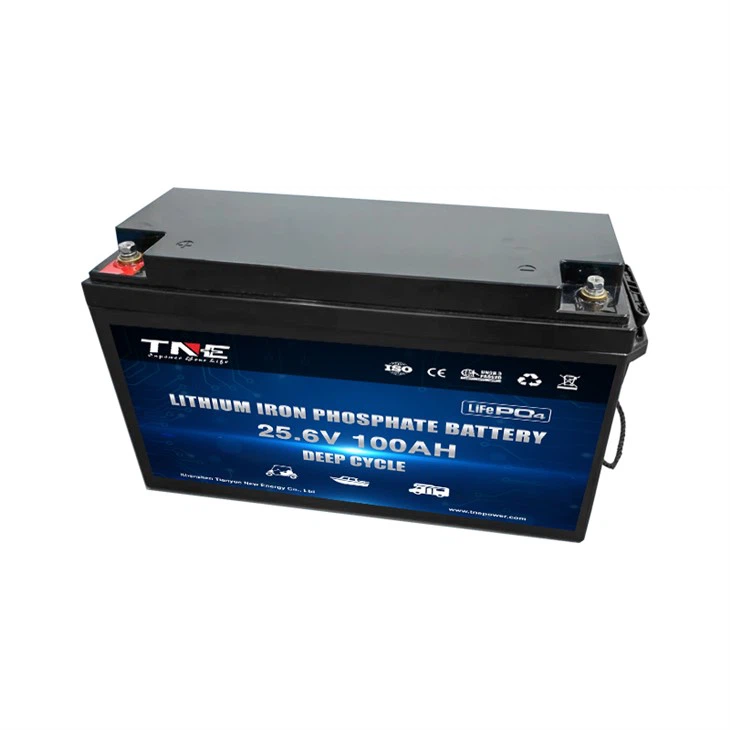

Let's look at an example of how different sunlight intensities can affect the long - term performance of a battery. Suppose you have a setup in a desert area with extremely high sunlight for most of the year. The initial charge rate of the 12V 100Ah Deep Cycle Lithium Solar Battery will be amazing. But over time, the high temperatures could start to degrade the battery's chemical components. On the other hand, if you're in a region with mostly cloudy weather, the battery may never reach its full charge potential, and you might see a slower overall performance.
In addition to sunlight intensity, the angle of the sun also plays a role. When the sun is directly overhead, the solar panels can capture the maximum amount of sunlight. As the sun's angle changes throughout the day, the amount of sunlight hitting the panels decreases. This, in turn, affects the battery's charging performance. To optimize the system, it's a good idea to install solar panels with a tracking mechanism that follows the sun's movement.
Another factor to consider is the battery's state of charge. When a lithium solar battery is nearly full, it can't accept a charge as fast as when it's empty. So, even in high sunlight, the charging rate will slow down as the battery approaches its maximum capacity. This is a built - in safety feature to prevent overcharging, which can damage the battery.
In conclusion, sunlight intensity has a significant impact on the performance of lithium solar batteries. High sunlight can lead to fast charging but also potential overheating issues, while low sunlight results in slower charging. Understanding these dynamics can help you choose the right lithium solar battery for your specific location and energy needs.
If you're interested in learning more about our lithium solar batteries or getting a quote for a customized solar power system, don't hesitate to reach out. We're here to help you make the most of solar energy with our reliable and high - performance batteries.
References
- "Solar Energy Fundamentals" by some solar energy expert
- Manufacturer's guides for lithium solar batteries